
In IA: la présidentielle de la dernière chance. Pour qui voter en 2027? (AI: The Last-Chance Presidential Election. Who Should We Vote for in 2027?) (Buchet-Chastel, October 2026), Laurent Alexandre
In IA: la présidentielle de la dernière chance. Pour qui voter en 2027? (AI: The Last-Chance Presidential Election. Who Should We Vote for in 2027?) (Buchet-Chastel, October 2026), Laurent Alexandre
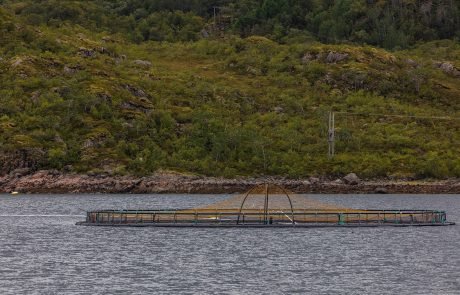
Forecasts keep warning that antibiotic use on farms will rise sharply. Instead, global use has fallen by nearly a third from its peak. Carel du Marchie Sarvaas argues that disease
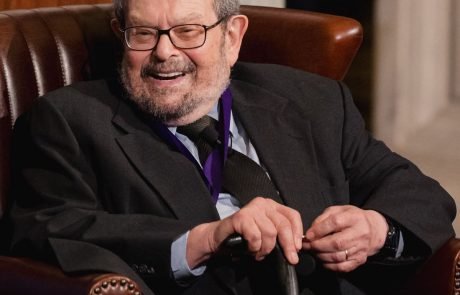
On 4 November 2026, Richard Lindzen received the Robert J. Zimmer Medal for Intellectual Freedom from the American Academy of Sciences and Letters at the Library of Congress in Washington,
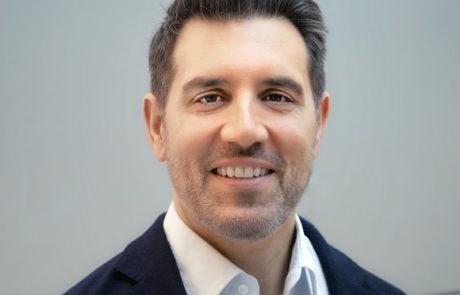
Paul Nioi, SVP of Research at Alnylam Pharmaceuticals, discusses the development of RNA interference (RNAi) medicines, twenty years after Fire and Mello’s Nobel Prize — from scientific discovery to an
Artificial intelligence is quietly entering the services we take for granted, starting with the water that comes out of our taps. We asked Xylem Vue what that means for the
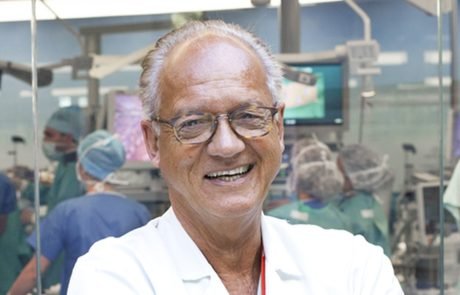
Founder of IRCAD (Research Institute against Digestive Cancer), established in Strasbourg in 1994, Professor Jacques Marescaux is one of the world’s pioneers of minimally invasive and robotic surgery. On 7
What predicting the language models before ChatGPT taught me about hype, evidence and the limits Yann LeCun described.
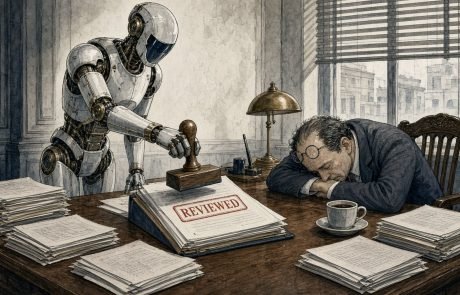
Hong Kong’s banking supervisor now asks banks to pair artificial intelligence with “effective human oversight”, and the EU AI Act demands the same of high-risk systems. But what does a
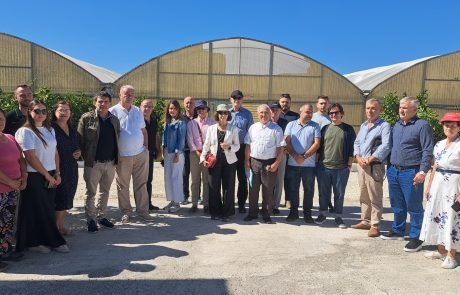
In the second part of his interview with The European Scientist, Nazim S. Gruda, President of the Union of European Academies for Sciences Applied to Agriculture, Food and Nature (UEAA),
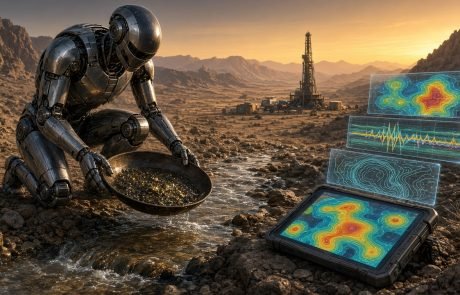
Machine learning can help mining companies sort decades of geological, geochemical, geophysical and satellite data and decide where to look next. But, argues Iranian scientist and mining engineer Adel Shirazy,