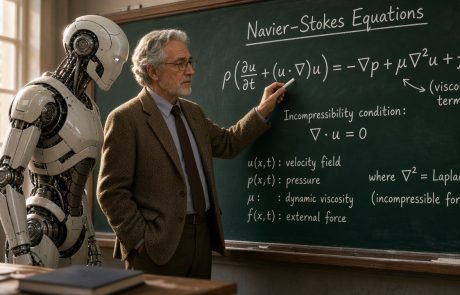
By Marc Rameaux Marc Rameaux, AI specialist and regular contributor to The European Scientist, reacts to OpenAI’s announcement of 8 September 2026 claiming that artificial intelligence had “solved” a Millennium
By Marc Rameaux Marc Rameaux, AI specialist and regular contributor to The European Scientist, reacts to OpenAI’s announcement of 8 September 2026 claiming that artificial intelligence had “solved” a Millennium
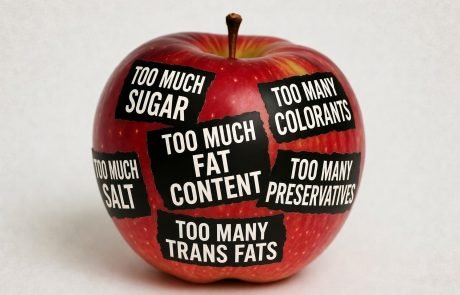
Bioengineer, PhD in applied biological sciences and professor of food science at the Vrije Universiteit Brussel (VUB), Frédéric Leroy kindly agreed to give us some of his precious time to
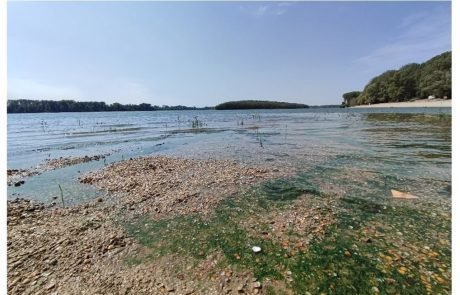
During the summer of 2026, critically low water levels of the Danube River drew attention across Europe. Numerous sandbanks emerged, navigation was disrupted [1], and World War II shipwrecks [2]
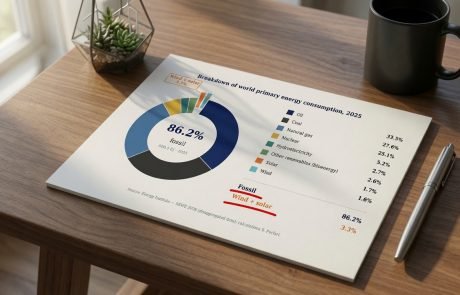
As every June, the Statistical Review of World Energy — that collection of statistics indispensables to energy geopolitics — has duly been published. From 1954 to 2022 it was BP
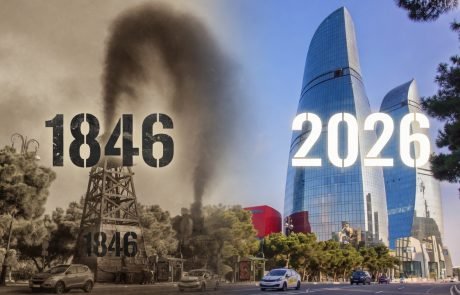
Why is Samuel Furfari, one of the world’s leading energy geopolitics experts, so interested in a country like Azerbaijan that he wrote a book about it? In “Azerbaijan. Geopolitics of
Currently a professor at the Human Nutrition Biochemistry Laboratory at Institut Agro / INSERM in Rennes, a former ANSES expert and a member of the French Academy of Agriculture, Professor

The European Union is in the process of financing two research programs with public funds developing a new tillage tool intended, according to its designers, to “store atmospheric CO₂ in
As inflation affects household budgets more than ever, other rising figures have also become worrying, particularly the obesity epidemic. A new survey by INSERM reveals that a growing number of

European Scientist was able to interview Jean-Pierre Jégou, President of the Académie Vétérinaire de France since the beginning of 2021, after five years as Secretary General, of this prestigious Academy

While European citizens are transfixed by the European policy issues of vaccines and energy transition, they are paying much less attention to the F2F (From Farm to Fork) plan and