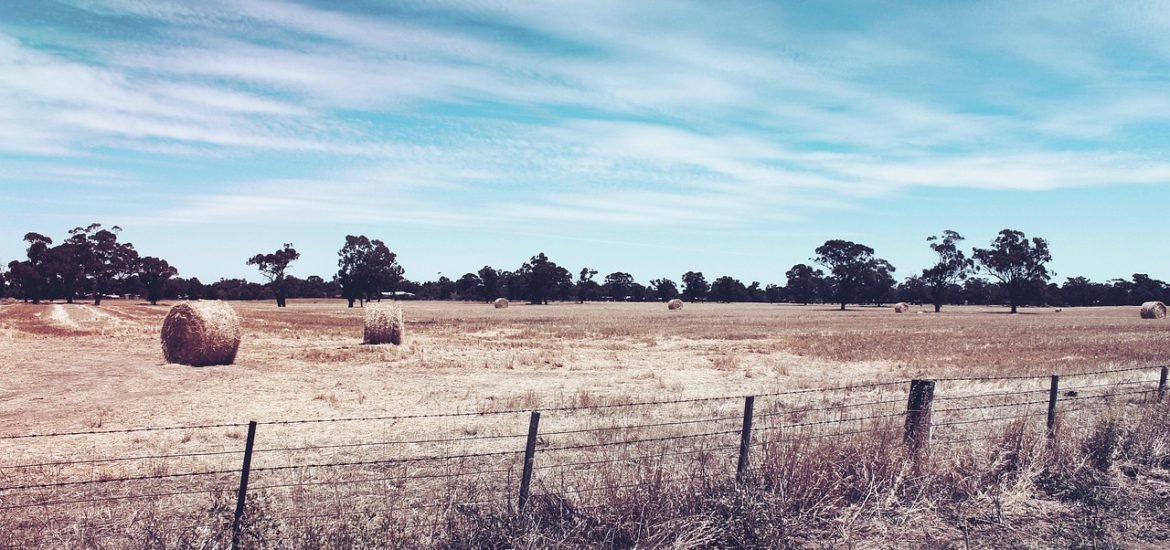
England’s drought is getting worse, even after a wetter week brought welcome rainfall to parts of the country. According to a report published by the UK’s Environment Agency, reservoirs are at some of their lowest levels on record, and the government formally declared severe drought in parts of Cornwall, Devon, Dorset, Somerset, East Sussex, West Sussex and Yorkshire. The weekly summary describes a picture that remains well below normal across England, with only the north-west showing any meaningful recovery.
Reservoirs at Exceptional Lows
National reservoir storage now sits at 54% of capacity, around 21% below the long-term average for mid-October. Eighteen reservoir groups are less than half full, and eleven are classed as exceptionally low. The list covers from Ardingly in the south-east to the Pennines Group in the north-west, and includes Wimbleball, Colliford, Stithians, Clatworthy, Chew Valley, Hanningfield, Grafham Water and Rutland Water. Over two-thirds of monitored reservoirs saw storage drop again in the week ending 13 October, with only a handful in northern England and Wales recording any increase.
River flows improved slightly on the previous week but remain below normal at most monitoring sites. Six rivers are classed as exceptionally low: the Yare and Ely Ouse in the east, the Derwent and Wear in the north-east, and the Bristol Avon and Tone in the south-west. Groundwater levels continue their expected seasonal decline, with chalk aquifers in the Hampshire Avon, North Downs and Cotswolds among the hardest hit.
A Patchwork of Bans and Restrictions
As a result, ten water companies have temporary placed bans in place, covering most of southern, central and eastern England, from Affinity Water and Thames Water through to South West Water and Wessex Water. Drought permits have already been issued at Wimbleball reservoir to reduce compensation flows, and non-essential use ban applications have been submitted by South East Water and South West Water. The Secretary of State is still weighing Southern Water’s application for a drought order on the River Test.
Growing Concern for Farmers
Agriculture is where some of the toughest decisions are now being made. With reservoirs at historic lows after an early and demanding irrigation season, farmers are worried they won’t be able to refill their on-farm storage before spring. River flows across central and southern England are too weak to help, and some growers are reportedly planning smaller planting areas for high-value irrigated crops such as vegetables in 2027. In response, the Environment Agency has issued an updated regulatory position statement allowing abstraction licence holders to take water outside their authorised periods to refill reservoirs between 1 and 31 October, as long as they meet set conditions. There are currently 449 formal restrictions on abstraction licences and 1,383 voluntary agreements in place, cutting abstraction by half across the Thames, Wye and Severn catchments.
Mounting Environmental Impacts
The Environment Agency has recorded 403 drought-related incidents so far in 2026, already more than the full-year totals for both 2022 and 2025. These include 41 algal bloom incidents and 99 confirmed fish deaths linked to drought and dry weather, with hotspots in Devon, Cornwall, East Anglia, Greater Manchester and the Thames basin. The Canal & River Trust reports some improvement on reactive reservoirs in the north, but most canals have yet to recover, and navigation restrictions remain in force on parts of the River Thames.
Short-term forecasts don’t bring much hope. The weekend is expected to be mostly settled, and high pressure should keep the start of next week dry across much of the country. For most of England, a lot more rain will be needed before water resources look anything like normal.
Environment Agency (2026). Dry weather and drought in England: 9 to 15 October 2026. GOV.UK, 16 October 2026. https://www.gov.uk/government/publications/dry-weather-and-drought-in-england-2026-summary-reports/dry-weather-and-drought-in-england-9-to-15-october-2026