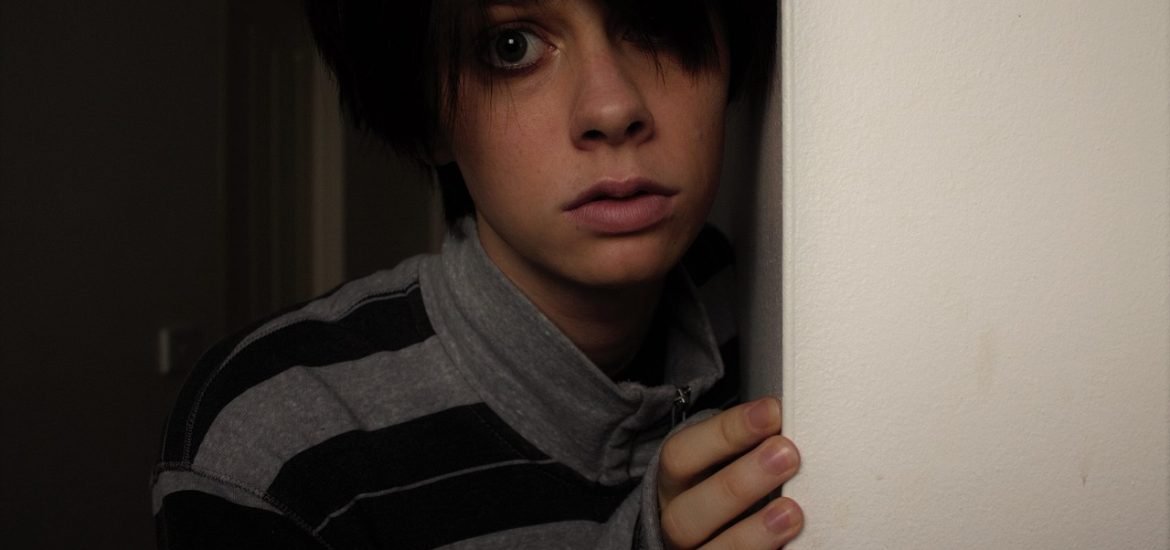
We can’t fix the youth mental health crisis by treating children alone, we need to help their parents too, according to a new book written by Cambridge University child psychotherapist Alix Hearn. The book, called Places of Safety, calls for a major rethink in how we care for young people who are struggling. Her message is simple: no child should go through therapy without their parents or carers getting support as well.
Children don’t exist in a bubble
Right now, most mental health services treat a child as an individual problem to be solved. But Hearn says this misses the bigger picture. Children grow up inside what she calls an “ecological system”, a web of relationships that includes their family, community, and wider culture. To really understand why a young person is struggling, we need to look at all of it.
“At the moment, many services working with children and young people still focus on treating a child as an individual who needs fixing, curing or improving,” Hearn said. “In fact, children are often receptacles for adults’ unprocessed feelings.”
“When a child is referred for therapy, it may be that their parent or carer also needs help. In an ideal world, no child would be seen unless they — the parents — were also part of the process.”
The “ghosts” we pass down
A big part of Hearn’s argument comes from attachment theory, or the idea that children need a secure emotional base, usually provided by parents. When that base is shaky, kids are more likely to struggle.
But here’s the catch: the way parents parent is shaped by how they themselves were raised. Hearn calls these inherited patterns “ghostly attachments”, learned behaviours passed down through generations, often without anyone realising. Every family, she says, has “unremembered hauntings” that affect how its members handle emotions.
So when a child shows up withdrawn, angry, or self-harming, the cause might not just be something happening now. It could be tied to things their parents experienced, sometimes even things their grandparents lived through. The book points to extreme examples, like families still affected by the Holocaust or other genocides generations later.
Hearn says writing about these themes felt especially urgent given current events. “The horror of these conflicts is not just about what’s happening now,” she said, referring to the wars in the Middle East and Ukraine. “For children who survive, there will be echoes that affect their children and grandchildren. More attention needs to be paid to how we anticipate those intergenerational consequences.”
A world that feels unsafe
The book also connects the mental health crisis to bigger anxieties, including climate change, global instability, and a general feeling that “the world is burning.” Drawing on findings from The Lancet Psychiatry Commission on Youth Mental Health, Hearn argues that adults are unconsciously passing their fears about the future onto their kids.
She suggests a kind of “green care” as part of the answer, treating nature itself as a source of comfort and connection. Losing touch with the natural world, she warns, deepens feelings of division and isolation.
“Young people are growing up in a world that feels really unsafe,” she said. “When adults say, ‘I don’t understand why children are struggling — in my day we just carried on,’ one answer is that we live in a field of collective anxiety about the future. If the world is on fire, nothing matters. If nothing matters, what is there for us to attach to?”
Places of Safety is published by Karnac Books and available at www.karnacbooks.com.