
The findings of an interesting study published on 14 January in Nature Human Behaviour suggest that many extreme opponents to genetically modified (GM) foods may actually know the least (1). Based
The findings of an interesting study published on 14 January in Nature Human Behaviour suggest that many extreme opponents to genetically modified (GM) foods may actually know the least (1). Based

A new paper published on 8 January in Nature Communications describes a ‘precision-guided sterile insect technique’ that can effectively alter insect genes to control female viability and male fertility. The
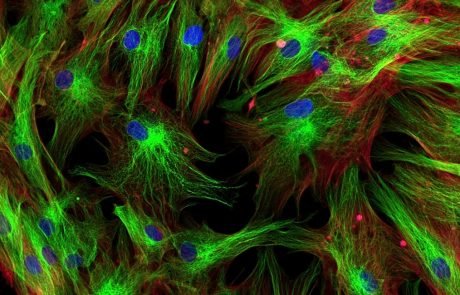
A new study published on 8 January in Advanced Materials has presented a novel biomaterial with the unique ability to enable cell-selective activation of growth factors ― signalling proteins that

Most estimates of ocean warming only go back as far as the 1950s, owing to limited data. A new study published on 7 January in PLoS One presents a reconstruction of historical

Every year, Magellanic penguins (Spheniscus magellanicus) become stranded along the coasts of northern Argentina, Uruguay and southern Brazil and of the thousands of stranded penguins, 75 per cent are female.

A recent study published on 7 January in Nature Medicine has shown that a smartphone app called Face2Gene designed to help diagnose a range of rare genetic disorders by analysing

A new study published on 4 January in the journal Science has shown that by constructing new metabolic pathways in transgenic tobacco plants, plant growth can be improved by up to

According to a paper published on 2 January in Science Translational Medicine, ‘nanoscavengers’ or ‘bioscavengers’ may offer an effective treatment against the highly toxic nerve agents used in chemical attacks

In a commentary published in Nature News & Comment, an international group of climate researchers highlight the threat that collapsing glaciers are posing on Asia’s water supplies (1). In particular,
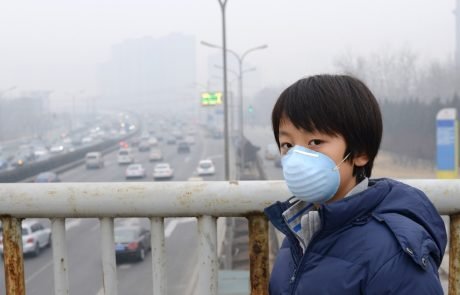
Since 2013, the Chinese government has been enforcing strict policies on emissions in an effort to reduce fine particulate air pollution, known as PM 2.5, a major problem in Chinese