
A new study published on 22 October in the journal Nature Medicine presents a computational model called Artificial Intelligence (AI) Clinician to assist with the individualized real-time treatment of sepsis
A new study published on 22 October in the journal Nature Medicine presents a computational model called Artificial Intelligence (AI) Clinician to assist with the individualized real-time treatment of sepsis
The first two papers using the complete set of data from the huge UK biobank project — currently the largest human genome study — were published on 10 October, both

A new study published on 10 October in the journal Nature has found that sustainably feeding the world population, estimated to reach 10 billion by 2050, is achievable but only

Two separate studies published on 8 October in Nature Medicine have successfully used modified CRISPR-Cas9 gene editing technologies to correct gene mutations associated two genetically inherited metabolic disorders, phenylketonuria and

The results of two separate clinical trials published on 26 September, one in Nature (1) and the other in Nature Medicine (1), have shown in a small number of patients

The Lancet has published a study whose conclusions are in fact misleading and liable to unfortunate interpretation (1). This new salvo from the hygiene industry has created a great stir

A new study published in the September edition Atmospheric Environment has reported that diesel cars sold by ten major automobile manufacturers in Europe between 2000 and 2015 generate up to 16 times
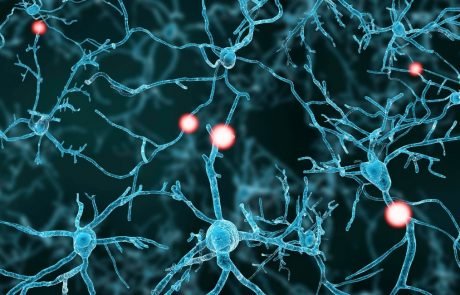
A study published on 21 September in Science has provided evidence of a newly discovered neural network used by gut cells to rapidly communicate with the brain (1). The results

The European Commission requires all clinical trials results are posted on the EU Clinical Trials Register (EUCTR) within 12 months of completion and within six months for trials involving children,

To defeat the so-called superbugs, an entirely new class of antibiotic is needed but for more than 50 years, no new effective antibiotics have been developed. Now, scientists may have