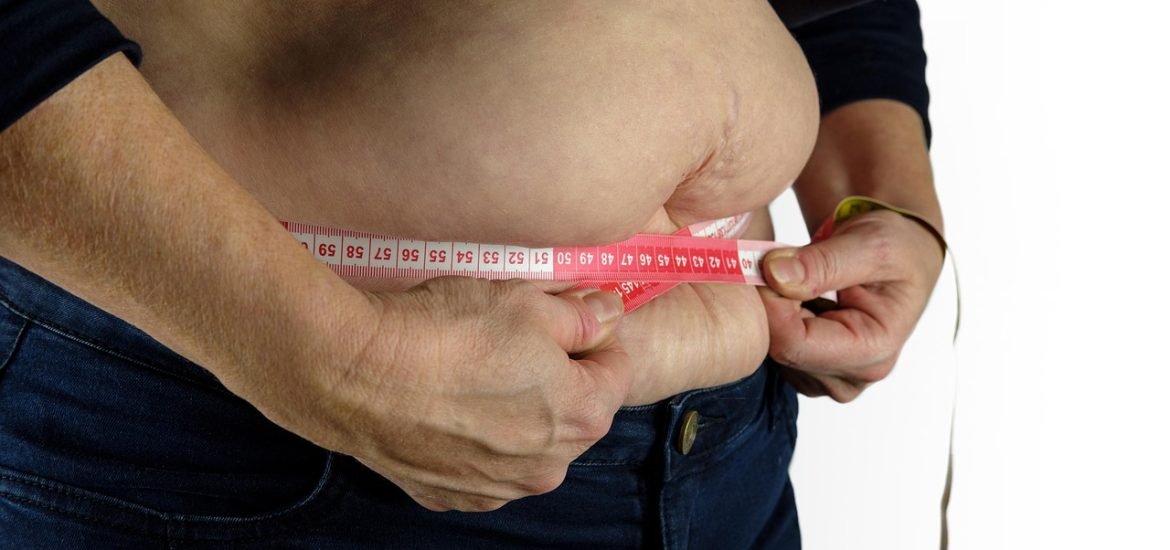
Children who live with obesity are more likely to end up with less education, lower earnings and reduced employment prospects in adulthood, according to a report presented at this year’s European Congress on Obesity (ECO 2026, Istanbul, Turkey, 12-15 May). The authors emphasize that these effects play out differently for men and women.
The research
The study drew on health records from more than 134,000 individuals born between 1951 and 1991 in Copenhagen. Researchers tracked their weight and height from school health checks carried out between the ages of 6 and 15, then linked this data to national records on education, income and employment up to 2022.
Participants were divided into five groups based on their childhood weight patterns: below-average, average, above-average, overweight and obese. The team then looked at how these groups fared in adult life, and whether parental education made a difference to the outcomes.
Less education, lower pay
Compared to children with an average weight trajectory, those who grew up with obesity tended to complete fewer years of schooling. For girls, the gap ranged from three months less education if their parents had low educational backgrounds, up to 13 months less if their parents were highly educated. The pattern was similar for boys.
The earnings gap was also significant, though it hit men harder financially. Women who had lived with obesity in childhood earned up to $5,720 less per year than their average-weight peers, depending on their parents’ education level. For men, the gap was even larger, up to $9,580 less annually.
A striking difference between men and women
One of the most notable findings concerns workforce participation in midlife. Women who had lived with obesity as children were substantially more likely to be outside the workforce entirely by the age of 50. The excess risk ranged from 34% among those with less-educated parents to a striking 90% among those whose parents had higher levels of education, compared to women who had followed an average weight trajectory in childhood. For men, no such pattern was found. Childhood obesity did not significantly affect whether they were in or out of work by age 50.
“Only among females with obesity in childhood was there a higher risk of being out of the labour force by midlife. In males, obesity in childhood did not seem to affect their chances of being in work at age 50 years. However, the impact on future pay was much higher in men who had lived with obesity as a child than women,” said senior author Dr Jennifer Lyn Baker of Copenhagen University Hospital.
The role of parental education
A recurring theme throughout the findings is that the consequences of childhood obesity were most severe for children from more highly educated families, perhaps counterintuitively. One suggested explanation is that social environments differ in how they perceive and respond to obesity, and that in more educated circles, the stigma or social consequences may be more pronounced.
Lead author Dr Lise Bjerregaard said: “Obesity in childhood was associated with substantial long-term socioeconomic disadvantage. Among females and males, these effects of obesity across childhood were seen most in those with highly educated parents, as they had a markedly shorter education and lower adult income.”
Dr Baker added: “These findings suggest that the long-term consequences of obesity in childhood are shaped by parental educational context, suggesting there are additional social or structural mechanisms beyond obesity itself.”
Why it matters
This research is a reminder that childhood obesity is not simply a medical issue, it is also a social and economic one, with ripple effects that can shape an entire life. Addressing it effectively will require looking beyond diet and exercise to the broader environments in which children grow up, and understanding how factors like family background and social context can amplify or reduce the long-term impact.