A paper published on 3 September in Nature Energy has outlined a proof-of-concept for using sunlight and other biological ingredients to split water molecules into their constituents ― hydrogen and
Search Results for: greenhouse
A new study published in Renewable and Sustainable Energy Reviews on 23 August sought to determine whether Sweden’s current willow (Salix spp.) production, as a source of bioenergy, is capable of
How climate change is affecting global forests: bigger trees are producing more light scattering compounds but may be soaking up less CO2
Climate change is causing longer growing seasons that produce bigger trees but they may be soaking up less carbon dioxide (CO2). A study slated for publication later this year in
A new study published on August 15 in Nature suggests that alternatives to harmful neonicotinoid pesticides may be just as harmful to bumble bees. New sulfoximine-based pesticides were touted as
Assessing the impact of solar geoengineering: strategies to reduce global warming will not prevent crop damage
A new study published on August 8 in Nature, a scientific journal, suggests that the positive effects of aerosols intentionally released into the atmosphere ― a form of solar geoengineering ―
‘Attribution science’ may soon be making a regular appearance in weather reports: rapid assessments of the impact of global warming
On July 27th, Dr Friederike Otto, a climate modeller at the University of Oxford, UK and her colleagues provided a preliminary analysis of the current heatwave oppressing Northern Europe, and unusually,
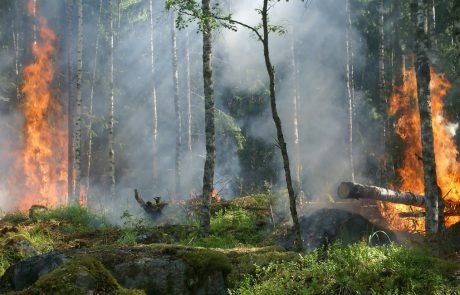
On July 26th, the Swedish military dropped laser-guided bombs on a forest fire that had been raging for nearly two weeks close to the town of Älvdalen, near its border
The little spider that could: the tiny wolf spider may be helping to keep the Arctic region cooler
A new study published on July 23rd in the Proceedings of the National Academy of Sciences (1) highlights the potentially positive impact of the increasing wolf spider population (a member of
Given their significance for the vital functions of industrial societies and their potential for climate change, future developments in fossil fuel production (petrol, natural gas, coal), will have to buy
After 18 months of negotiations, the European Union finalised new climate targets on Wednesday. In addition to increasing the share of renewable energy to 32% by 2030, the bloc agreed