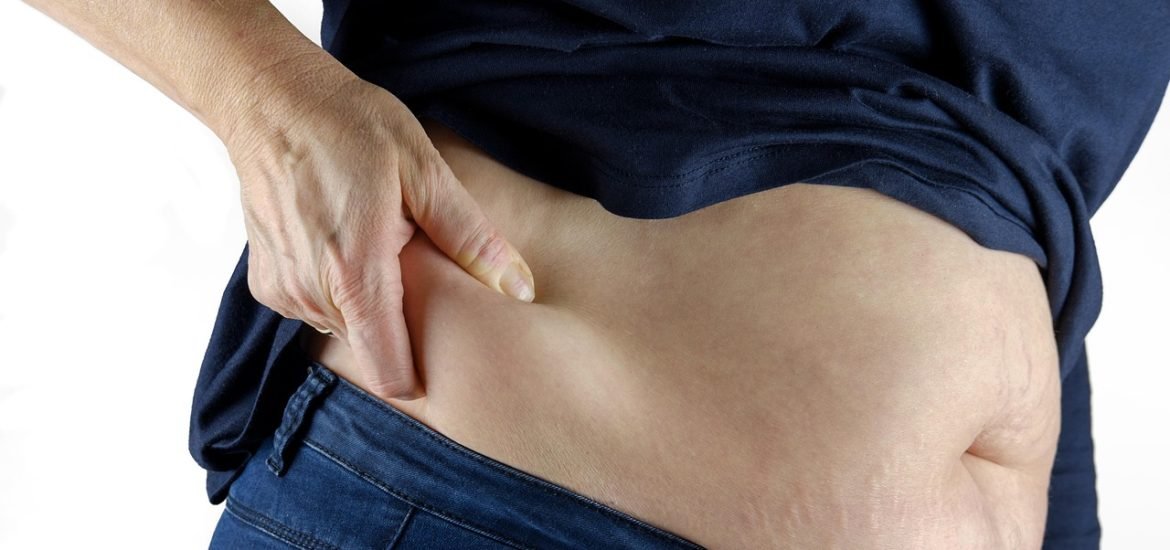
Losing a large amount of weight and keeping it off is connected with a lower risk of cancer, especially in women. Now, two studies published in Scientific Reports and PLOS Medicine are starting to explain why. The answers may lie in a mix of gender, hormones, and even our genes.
A Long-Running Study
Both studies come from the Swedish Obese Subjects study, or SOS study, which is run by the University of Gothenburg. The project has followed more than 4,000 people living with obesity, around half of whom had bariatric (weight-loss) surgery and half who received standard care. By tracking these people for decades, researchers can see what really happens to their health over the long term.
What the First Study Found
The first study took a close look at the whole group. The researchers wanted to know whether men and women responded differently after surgery, and whether insulin (the hormone that controls blood sugar) played a part.
The results were striking. Women who lost weight through surgery had a lower risk of getting cancer and a lower risk of dying from cancer. In men, the same connection wasn’t so clear. The benefit was clearest for cancers that affect women specifically, like breast cancer and gynaecological cancers. And it stood out most in women who already had high insulin levels before their surgery. This suggests insulin may be an important piece of the puzzle linking obesity, weight loss, and cancer.
The Second Study: Looking at Genes
The second study dug deeper by exploring whether a person’s genes might shape their cancer risk after surgery. The researchers focused on women with obesity and followed some of them for up to 33 years. They zeroed in on a gene called FTO. A common variation in this gene has been linked both to higher body weight and to a greater chance of breast cancer.
They discovered that women who carried this FTO variant got the biggest benefit from surgery. Their breast cancer risk was about 47% lower compared to women who received standard obesity treatment. Women without the gene variant didn’t show the same drop in risk. The benefit was even greater for women who carried the FTO variant and had high insulin levels at the start. In that group, breast cancer risk fell by around 64% after surgery.
What It All Means
Put together, these studies suggest that the cancer-protecting effects of weight loss can’t be explained by one single factor. Instead, several factors seem to work together. Gender matters, and so does insulin as well as the person’s genetic background. “Our results suggest that there are biological differences between individuals that affect how much cancer risk is reduced after weight loss. By understanding these differences, we will get closer to the mechanisms underlying the connection between obesity and cancer,” said Kajsa Sjöholm, associate professor at the University of Gothenburg.
Why This Matters Now
The timing of this research is important. New weight-loss medications are changing the way obesity is treated, and millions of people are now using them. Knowing why weight loss lowers cancer risk in some people could help doctors give more personalised advice and care. In the future, it may be possible to tailor cancer prevention to each person based on their gender, their metabolic health, and their genes, rather than offering everyone the same plan.
“In the longer term, this may pave the way for a more precision medicine approach, where preventive interventions are adapted to, for example, gender, metabolic health and genetic background,” says Magdalena Taube, associate professor at the University of Gothenburg and the lead researcher behind the studies.
For now, the takeaway is encouraging. Significant weight loss can do more than improve everyday health. For some people, it may also offer real protection against one of the world’s most feared diseases.
Langegård, E., Kristensson, F.M., Andersson-Assarsson, J.C. et al. Association between FTO rs9939609 genotype and breast cancer risk after bariatric surgery in the Swedish Obese Subjects study. Sci Rep 16, 14429 (2026). https://doi.org/10.1038/s41598-026-51884-2