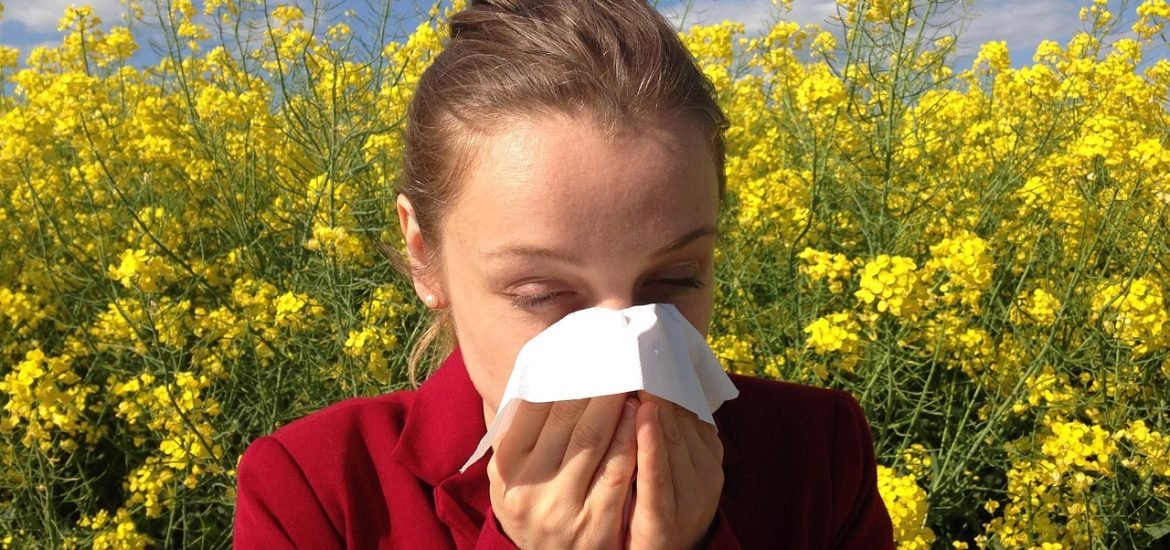
New guidelines from the European Academy of Allergy and Clinical Immunology (EAACI), developed with scientists from Wroclaw Medical University, Poland, argue that fighting allergies effectively now means much more than reaching for tablets or a nasal spray. Real-time pollen monitoring, environmental forecasts, and simple preventive habits are becoming just as important, according to a study published in the journal Allergy.
Allergy Care Starts Outside the Clinic
Millions of people struggle every year with runny noses, itchy eyes, and wheezing chests when pollen season hits. Allergic rhinitis and asthma are now among the most common chronic conditions on the planet, and climate change is making things worse: pollen seasons are longer, the air holds more pollen, and that pollen may be more allergenic than before.
For decades, allergy treatment has revolved around two main tools: medication to ease symptoms and allergen immunotherapy to gradually reduce sensitivity. The new EAACI guidelines don’t replace these, but they add something crucial, saying that the environment patients live in deserves just as much attention.
Warmer temperatures mean many plants now start pollinating earlier and keep going for longer than they did just a few decades ago. Air pollution can also make pollen more irritating and stir up stronger inflammation in the airways. That’s why the experts behind the guidelines want to see medical care join up with environmental and weather data.
“The new EAACI guidelines represent an important step towards a more comprehensive approach to the treatment and control of allergic respiratory diseases. They indicate that effective management cannot be limited to pharmacotherapy and allergen immunotherapy alone. Reducing the impact of environmental factors, particularly exposure to plant pollen, is equally important,” said Professor Marek Jutel from the Department of Clinical Immunology at Wroclaw Medical University, one of the co-authors.
He adds that this isn’t just about individual patients. Coordinated action between doctors, aerobiologists (pollen scientists), meteorologists, and public health bodies can cut the number of severe flare-ups needing emergency care or hospital stays.
Pollen Forecasts as Common as Weather Forecasts?
Until fairly recently, pollen counts came from manual measurements and often reached patients only after a delay. Today, automated monitoring stations are transforming the picture, delivering data almost in real time. This makes accurate forecasts and warning systems possible.
“Climate change is causing pollen seasons to begin earlier and last longer, while many plant species produce larger amounts of pollen with greater allergenic potential. In this situation, monitoring pollen concentrations and using modern forecasting systems are becoming increasingly important, as they enable the early identification of periods of increased allergen exposure,” explained Magdalena Zemelka-Wiącek from the same department and co-author of the paper.
Better forecasts help everyone. Patients can plan their day, doctors get an extra tool for guiding treatment, and health services can prepare for high-risk periods before they hit.
Start Treatment Before Symptoms Start
One of the guidelines’ most practical messages is that timing matters. Many people wait until they are already sneezing and struggling to breathe before starting their treatment. By then, the damage is often done.
“People with allergic rhinitis and asthma should know which plant pollens they are allergic to so that they can start treatment sufficiently early, in accordance with their individual treatment plan. They should not wait until symptoms become fully developed. Starting treatment before the pollen season begins often allows for better disease control and reduces the risk of exacerbations,” emphasised Professor Jutel.
He also pointed to the “priming effect,” where the lining of the airways slowly becomes more sensitive before any obvious symptoms show up. Simple everyday steps can help too: keeping windows closed, changing clothes and washing your hair after coming home, and avoiding long stretches outside when pollen is high. These don’t replace medication or immunotherapy, but they support them.
More Than Just Pollen
The authors stressed that a pollen forecast alone doesn’t tell the whole story. Temperature, humidity, air pollution, and sudden weather events like thunderstorms all affect how bad symptoms get. Thunderstorm asthma, in particular, can trigger sudden surges in severe asthma attacks. The future, they said, lies in combining all these data streams into one warning system.
Practical tips from the guidelines include checking pollen forecasts, starting treatment early, limiting outdoor time on high-pollen days, changing clothes after being outside, keeping windows shut when pollen counts spike, and never stopping prescribed medication on your own. They also encourage patients to ask their allergist about immunotherapy, the only treatment that can actually change the long-term course of allergic disease.
In a warming world, better forecasts and smarter prevention could become some of the most powerful tools we have to help millions of people breathe a little easier.
Cecchi, L., Annesi-Maesano, I., Biagioni, B., Chung, K.F., et al. EAACI Guidelines on Environmental Science for Allergy and Asthma—Evidence-Based Recommendations for Prevention and Public Health Action to Mitigate the Impact of Pollen Exposure on Respiratory Allergy. Allergy. DOI: 10.1111/all.70423