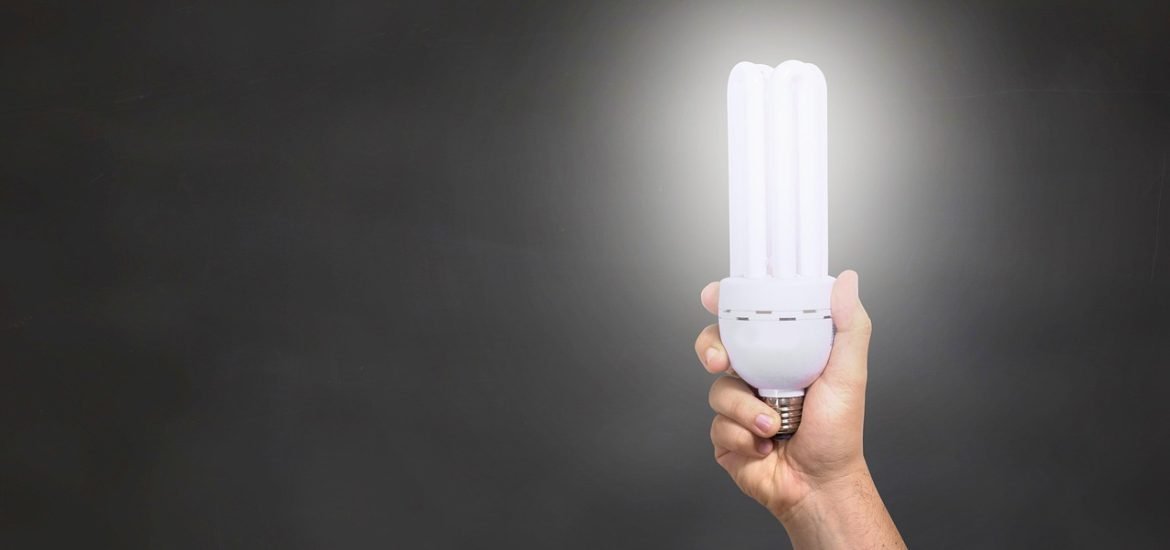
Research from the University of Surrey suggests that a simple bright light therapy lamp used at home could make a real difference to sleep, activity levels and overall daily rhythms in older adults, according to a study published in the Journal of Pineal Research. The results come from the European ENLIGHTENme project and offer some of the first real-world evidence that this kind of light supplementation could be a cheap, drug-free way to help people age well.
Why Light Matters as We Get Older
Our bodies rely on daylight to keep our circadian rhythms (the internal 24-hour clock) in sync. When those rhythms drift out of alignment, sleep can suffer, hormones can go awry, and the risk of metabolic and heart problems can rise.
Older adults are particularly vulnerable. As we age, less light reaches the retina thanks to changes in the eyes, and getting outside can become harder due to mobility issues. That combination often leaves urban seniors in a state of quiet light deprivation. In addition, living in small or dimly lit flats can all mean that the light needed to keep the body’s internal clock running smoothly just isn’t there.
Dr Daan van der Veen, Senior Lecturer in Sleep and Chronobiology at the University of Surrey, explained: “Exposure to daytime light is crucial to regulate our circadian rhythms and our sleeping patterns, however often older adults in urban areas, due to the decline in their eyesight or perhaps mobility issues preventing them from going outside, do not get this exposure to good light, and this can lead to sleep and health problems, increasing their risk to chronic diseases.”
How the Study Worked
The team recruited more than 200 participants aged between 63 and 92 from three culturally different European cities: Tartu in Estonia, Bologna in Italy, and Amsterdam. These cities were chosen partly because they have very different amounts of natural daylight through the year.
After two weeks of baseline monitoring, participants were split into two groups. One group received a light therapy lamp and was asked to place it at head height in the room where they spent most of their time. They were told to switch it on within an hour of waking and to turn it off at least four hours before bedtime, keeping this up for 12 weeks. The other group carried on as usual with no lamp.
Everyone wore a wrist activity monitor and a pendant that measured their personal light exposure. The whole study was repeated across the seasons so the researchers could take account of natural light changes throughout the year.
Professor Debra Skene, Professor of Neuroendocrinology at the University of Surrey, said: “We are very excited that the findings we have shown in laboratory studies of older people are now replicated in real-life conditions, with varying levels of natural light and in different cultures.”
What They Found
People who were already getting more natural light every day were more active during the day, had more continuous wakefulness, and reported better sleep quality than those with lower exposure.
Timing turned out to matter a lot for the lamp users too. Participants who were natural “morning types” and switched their lamp on earlier in the day were more active and had steadier rest-activity patterns than those who started later. Similarly, those who finished their lamp use earlier in the evening (so avoiding light close to bedtime) showed less disrupted rest-activity rhythms.
The team also spotted something notable in the initial data: participants with metabolic conditions such as high blood pressure, diabetes, obesity or heart problems had significantly lower total light exposure than those without these conditions, hinting at a link between light deprivation and long-term health.
A Simple, Affordable Idea With Big Potential
Débora Constantino, a Postgraduate Research Student at the University of Surrey and lead author, said: “What we have found is that early administration of light supplementation significantly enhances activity levels and reduces rest-activity fragmentation in older adults.”
She added: “This is an exciting discovery and provides real-world evidence that light is a simple, non-pharmacological, and potentially cost-effective intervention, which, from a public health policy perspective, could help support healthy ageing. These findings highlight a clear opportunity for policymakers to integrate structured indoor light supplementation into community care frameworks and care home guidelines.”
In other words, a well-placed lamp switched on at the right time of day could join the toolkit of things that help people live healthier, more active lives into old age — no prescription required.
Constantino, D.B., Baccari, F., Caporali, L., Carelli, V., Amore, G., et al. (2026). ENLIGHTENme: Translating the Benefits of Self-Administered Daytime Light Supplementation to Older Adults in the Real World. Journal of Pineal Research. DOI: 10.1111/jpi.70174