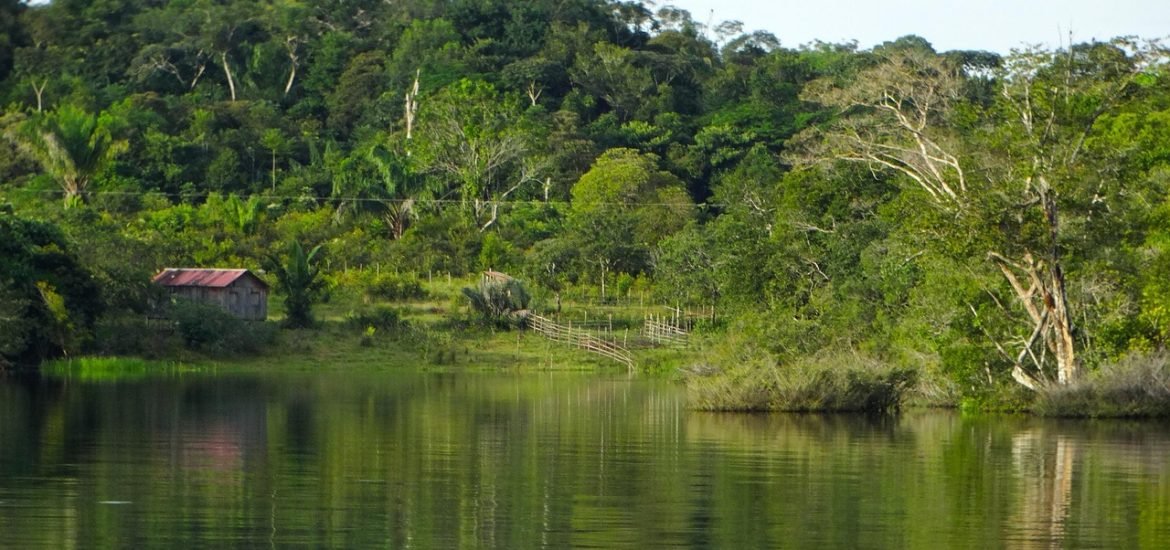
The Amazon rainforest isn’t just the world’s most important ecosystem for biodiversity, it’s also home to more than 400 Indigenous groups who have spent generations learning how to use thousands of plant species found there. This knowledge is passed down mostly through oral tradition, from parents to children, creating what researchers call a “living library” of botanical wisdom.
Until now, scientists didn’t have solid data on how this knowledge is being affected by two forces happening at once: climate change and the loss of Indigenous languages. A new study from the University of Zurich (UZH) provides the first real evidence of just how much is at stake.
Cataloging Centuries of Plant Knowledge
A research team led by Rodrigo Cámara Leret, a UZH professor specializing in tropical plant diversity and ethnobotany, built a massive database tracking every known report of plant use across the Amazon region, including Brazil, Peru, Colombia, Bolivia, Ecuador, Venezuela, Guyana, Suriname, and French Guiana. Working with Patrick Roehrdanz, Director of Climate Change and Biodiversity at Conservation International, the team pulled together information from roughly 700 sources spanning more than five centuries. What they found was striking: Amazonian peoples use at least a third of all known plant species in the region, amounting to 5,796 species in total.
Cámara Leret believes even this number likely undercounts the full picture. He points to the team’s work with the Indigenous Cacua people, which led to the discovery of an entirely new species of canopy palm, one that had never been formally documented by science despite being abundant locally and well known to the Cacua as an important food source for a long time.
Plants shape nearly every part of Indigenous life, from food and medicine to construction and cultural rituals. Tobacco is one striking example: beyond being chewed as a stimulant, it’s also burned before entering the rainforest as a way of signaling human presence, a practice believed to calm forest spirits and give dangerous animals like snakes a chance to move away. Co-author Jordi Bascompte, a UZH professor of ecology, explained that everyday practices like this reflect a deep respect for nature and an understanding of how much humans depend on the forest. He noted that these rituals also help shape the cultural identity of Indigenous groups, in much the same way that food traditions help define national identities elsewhere in the world.
A Third of Plant Knowledge Could Disappear
To look ahead, the researchers built distribution models for 8,429 plant species and ran simulations based on three future climate scenarios from the Intergovernmental Panel on Climate Change (IPCC). Many of the plants Indigenous communities rely on are already rare, and increasingly being crowded out by more dominant species.
The results were sobering. Between 2060 and 2080, plant species used by Indigenous communities are expected to lose habitat range faster than plants that aren’t used by humans. On average, Indigenous cultures could lose between 28% and 34% of the plant species they depend on, along with 18% to 23% of the ecosystem services those plants provide.
When a plant species disappears, so does its Indigenous name, its traditional uses, and the accumulated knowledge about its role in the ecosystem. Combining species loss with the parallel decline of Indigenous languages, the researchers calculated that the Amazon’s overall biocultural heritage is projected to shrink by 26% between 2060 and 2080.
Cámara Leret noted that the plants Indigenous communities depend on may be hit harder than previously assumed, and suggested that the coming climate tipping point in the Amazon won’t just affect biodiversity, it’s likely to intersect with language loss as well, with ripple effects across the region’s entire cultural heritage.
A Roadmap for Protecting Both Nature and Culture
The researchers hope their findings, along with the public dataset they’ve built, can help guide restoration efforts across the Amazon. Cámara Leret expressed hope that the research could help slow or even reverse the damage being done to both ecosystems and cultural traditions. He emphasized the importance of documenting Amazonian plant knowledge in writing, working directly with Indigenous communities, while still preserving oral traditions.
Roehrdanz agreed, stressing that effective conservation efforts need to treat Indigenous knowledge as a core part of environmental stewardship, not an afterthought. He added that the study could help pinpoint specific locations where protecting culture and nature together would have the greatest impact for species currently at risk. Bascompte echoed this, noting that understanding how closely tied ecological and cultural heritage really are is essential to properly valuing what nature provides to people.
Cámara Leret, R., et al. (2026). The forest of knowledge under global change. Nature. DOI: 10.1038/s41586-026-10741-y