
A new study published on 2 October in Nature Communications shows that anthropogenic warming will increase the burned areas due to fires in Mediterranean Europe (1). However, the findings suggest this
A new study published on 2 October in Nature Communications shows that anthropogenic warming will increase the burned areas due to fires in Mediterranean Europe (1). However, the findings suggest this

Freshwater fishes are among the most threatened groups of vertebrates and it is estimated that 39% of all European fish species face extinction within this century. During the early 2000s,
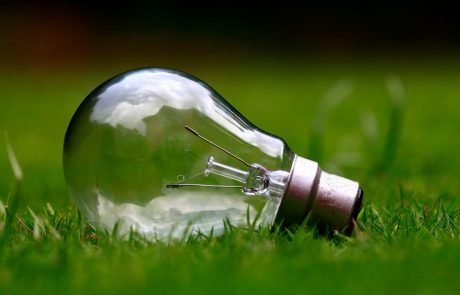
Ecology has reconnected the fundamental and sacred link that connects the environment to man. With this communion, it fills the void left by religions in an age of technological explosion.

The European Organization for Nuclear Research, known as CERN, has suspended an Italian theoretical physicist, Alessandro Strumia, whose research is currently funded by the University of Pisa and the European

A new study published on 1 October in Nature Plants has shown that boosting the content of an enzyme called Ribulose-1,5-bisphosphate carboxylase/oxygenase (Rubisco) can make maize (corn) plants more productive

New findings published on 26 September in Nature Communications detail what the authors refer to as a “bioinspired multilegged soft millirobot.” The robot’s design allows it to adapt to harsh environments
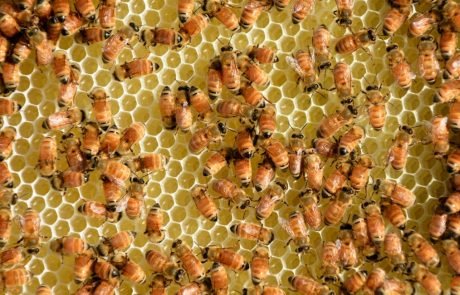
More bad news for bees it seems. A new study published on 24 September in Proceedings of the National Academy of Sciences, a highly regarded journal, has revealed that a
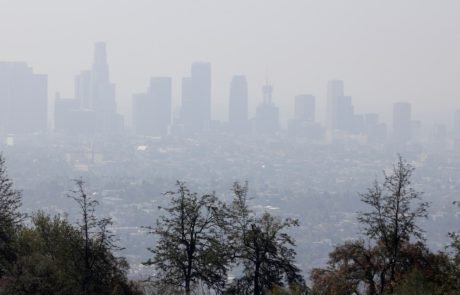
A new study published on 24 September in Nature Climate Change has examined the country-level social costs of carbon (SSC). The commonly used metric of the expected economic damages from carbon

A study published on 24 September in Translational Psychiatry, a peer-reviewed medical journal, suggests that environmentally-induced epigenetic changes may have an important impact on intelligence. The research, led by Dr

New research slated for publication on 15 November in Earth and Planetary Science Letters has provided evidence that Mars had enough chemical energy for microbes to survive in the subsurface