
A new study published on August 15 in Nature suggests that alternatives to harmful neonicotinoid pesticides may be just as harmful to bumble bees. New sulfoximine-based pesticides were touted as
A new study published on August 15 in Nature suggests that alternatives to harmful neonicotinoid pesticides may be just as harmful to bumble bees. New sulfoximine-based pesticides were touted as

According to a new study published on August 15 in iScience, an open source interdisciplinary journal, ocean microbes may play a key role in atmospheric processes like cloud formation. The research,

A new study published on August 8 in Nature, a scientific journal, suggests that the positive effects of aerosols intentionally released into the atmosphere ― a form of solar geoengineering ―

Two separate studies published this week show that beneficial soil microbes can support certain agricultural crops. One study has identified an unusual relationship between a particular species of maize and

A brief perspective published in Science on August 3, written by Dr Brande Wulff of the John Innes Centre in Norwich, UK and Dr Kanwarpal Dhugga from Mexico’s International Maize

In an earlier article, we saw that the prospective epidemiological studies on the health of farmers (AHS cohort in the USA, Agrican cohort in France), supposedly the most reliable ones,
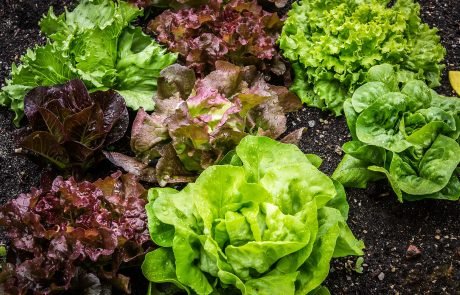
As temperatures soar across the United Kingdom, utilities companies have warned of possible water shortages, while growers said consumers could see lettuce disappear from supermarket shelves. Thursday marked the hottest

The European Union criticised the United States’ decision to impose higher tariffs on olives imported from Spain this week, saying the move is unjustified. The decision, announced by the US

Eating a healthy diet could become more challenging and expensive due to climate change, according to a new study. Scientists found that environmental changes such as temperature rise and water

Avoiding meat and dairy products is the single best way a person can reduce his or her environmental footprint, according to new research examining the impact of global food production.