
Scientists recently discovered a type of plastic-eating bacteria that slowly munches away on plastic waste in the ocean (1). Now, scientists from the Technical University of Crete have shed some
Scientists recently discovered a type of plastic-eating bacteria that slowly munches away on plastic waste in the ocean (1). Now, scientists from the Technical University of Crete have shed some
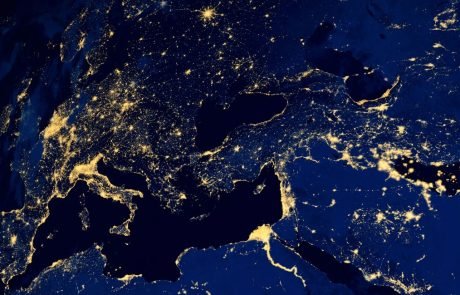
To bring space and earth observation closer to EU citizens, the Europan Commission’s Copernicus is launching ‘Europe’s eyes on the Earth’ roadshow. Events will be held in five European Countries

Meeting the goal set out in the Paris agreement of limiting global warming to well below 1.5–2 degrees Celcius will require efforts that go far beyond reducing greenhouse gas emissions,
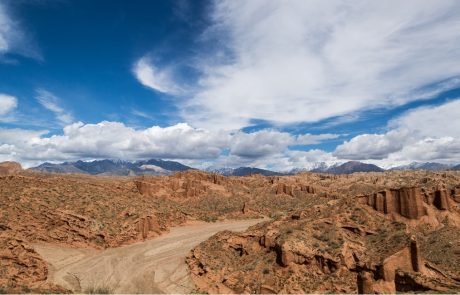
Humans pushed the Earth into a new geological epoch, according to some scientists. On 21 May, the Anthropocene Working Group (AWG), a sub-committee of the International Commission on Stratigraphy (ICS)
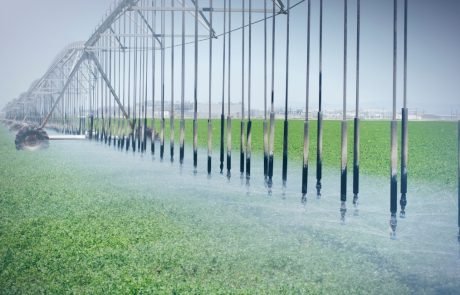
A new study published last week in Nature Sustainability suggests that to keep up with growing food demands — expected to double by 2050 — land use will have to

To meet the increasing demand for better and superfast computing power, researchers have developed a novel approach that uses light pulses instead of electricity to dramatically boosts computer processing speeds.
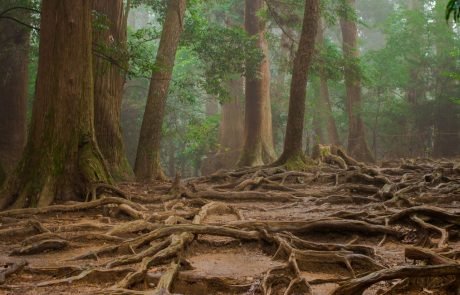
Underneath forests lies the wood wide web, a complex network of fungi, and bacteria connected to the roots of plants and trees. This subterranean social network is much older than
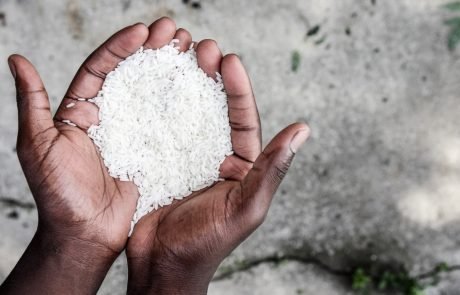
Carelessly designed climate change mitigation policies could negatively affect food security placing an additional 160 million people at risk of hunger by 2050, according to a new study published on
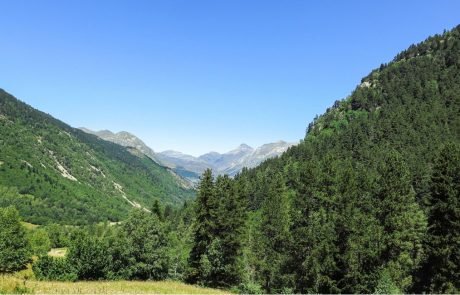
As global temperatures increase, trees are growing faster, but forests are storing less carbon because their so-called carbon residence time — the length of time trees stores carbon — may
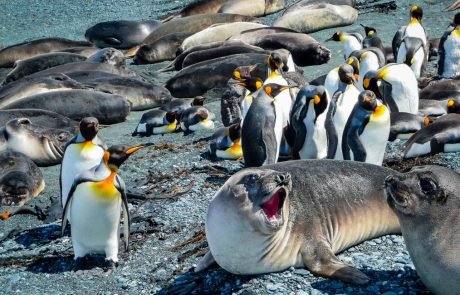
On the Antarctic peninsula, nitrogen-rich poop from seal and penguin colonies create biodiversity hotspots by enriching the soil, according to a new study published on 9 May in Cell Press