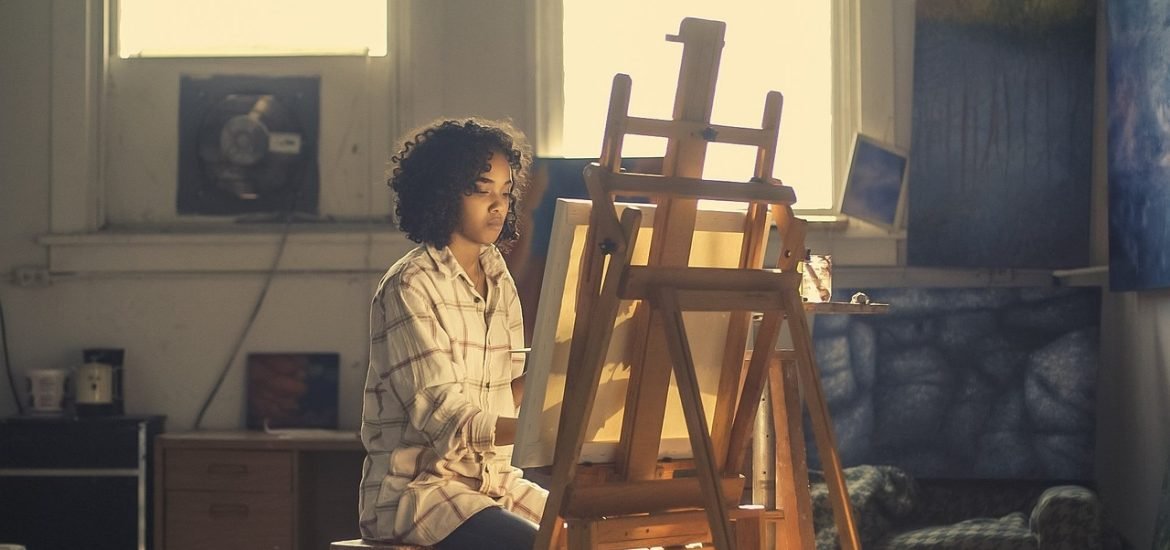
Poorer students, particularly girls, are being quietly but consistently steered away from creative subjects like art, music, drama, and photography, according to a report published by the Faculty of Education at the University of Cambridge.
The report included the educational records of 1.7 million students in England, alongside data tracking the journeys of 7,200 young people into work. At 14, 42% of young people prefer creative subjects. By age 16, only around one in four has chosen a creative subject for their GCSEs. That drops to fewer than one in six after 16, and to just over one in eight at university. By that point, only 3.8% of students have stuck with creative subjects at every available stage.
Students from lower-income backgrounds are more likely than their peers to choose creative subjects for their GCSEs. But after 16, the pattern reverses sharply. Girls, meanwhile, stay on creative pathways longer than boys, right up until university, where the numbers flip, with thousands of young women leaving creative study behind before higher education even begins. Girls from lower-income families face what the researchers call a “double disadvantage.”
So what’s driving this? The study describes a “push-pull” dynamic. On one side, many young people genuinely love creative subjects, and plenty of schools and colleges offer real, meaningful support. On the other hand, students are routinely advised to focus on “academic” subjects and warned that creative careers are financially risky. Crucially, this isn’t official guidance from schools. According to the report, it “seems to reflect cultural hierarchies that devalue creative work.”
Money is a factor, too. Students from less well-off families often can’t afford the unpaid internships and portfolio-building experiences that tend to be the entry point into creative industries. They may also lack the professional networks that can open doors.
“If you have a university degree in a creative subject, you are much more likely to end up in a creative career. Young people from low-income families, however, and especially girls, are less likely to reach the point where studying for a creative degree is even an option. That reflects wider societal structures, inequalities, cultural messaging, and pressure on schools to deliver academic results. We need a more thoughtful conversation about the value of creative subjects – and frankly about the snobbery that still surrounds certain qualifications,” explained Professor Sonia Ilie.
The report also shines a light on further education colleges, which play a much bigger role in creative training than is often recognised. The researchers describe a “bifurcated system” in which hands-on creative education is concentrated in FE colleges, but graduates from those colleges don’t have the same job opportunities as those from universities, even though their skills are just as strong.
“The FE offer we saw in our study is clearly on a par with so-called ‘academic’ routes and is producing amazing students who could succeed in creative degrees and jobs. Equally, just because university is not a preferred route for some should not mean that they cannot access future employment,” said Professor Pamela Burnard, co-author of the study.
The researchers are calling for a system-wide rethink. One that challenges the assumption that academic routes are automatically superior, provides honest and realistic guidance on creative careers, and offers targeted support for girls, lower-income students, and those in more deprived areas.
The timing is also important. “With creative industries identified as among the highest-potential sectors in the UK’s Industrial Strategy, this research is timely. It shows that ensuring equitable access to opportunities will require concerted action to remove barriers for girls and young people from disadvantaged backgrounds,” said Dr Emily Tanner of the Nuffield Foundation (which funded the study).